
 Power Apps·April 8, 2026·3 min read
Power Platform Monitor Alerts Move to General Availability: What This Means for Your Organization

Juan Carlos Santiago
Power Platform Monitor Alerts Move to General Availability: What This Means for Your Organization
Microsoft has officially announced that Power Platform Monitor alerts are now generally available, marking a significant milestone for organizations managing critical business applications and automation. This transition from public preview represents not just a feature release, but a maturation of Microsoft's commitment to helping enterprises maintain operational excellence across their Power Platform environments.
The Evolution of Proactive Monitoring
The journey toward general availability underscores an important industry shift: moving from reactive problem-solving to proactive health management. For too long, IT administrators have learned about application issues from frustrated end users rather than through systematic monitoring. Power Platform Monitor alerts fundamentally change this dynamic by enabling teams to identify and address problems before they cascade into organizational disruptions.
What makes this release particularly compelling is the emphasis on reducing configuration burden. Rather than requiring administrators to manually establish baseline thresholds and create alert rules from scratch, Microsoft has introduced predefined alerts—a set of intelligent, pre-configured rules that activate automatically across every tenant. This approach democratizes monitoring, ensuring even smaller organizations benefit from Microsoft's expertise in defining optimal performance baselines.
Breaking Down the Key Enhancements
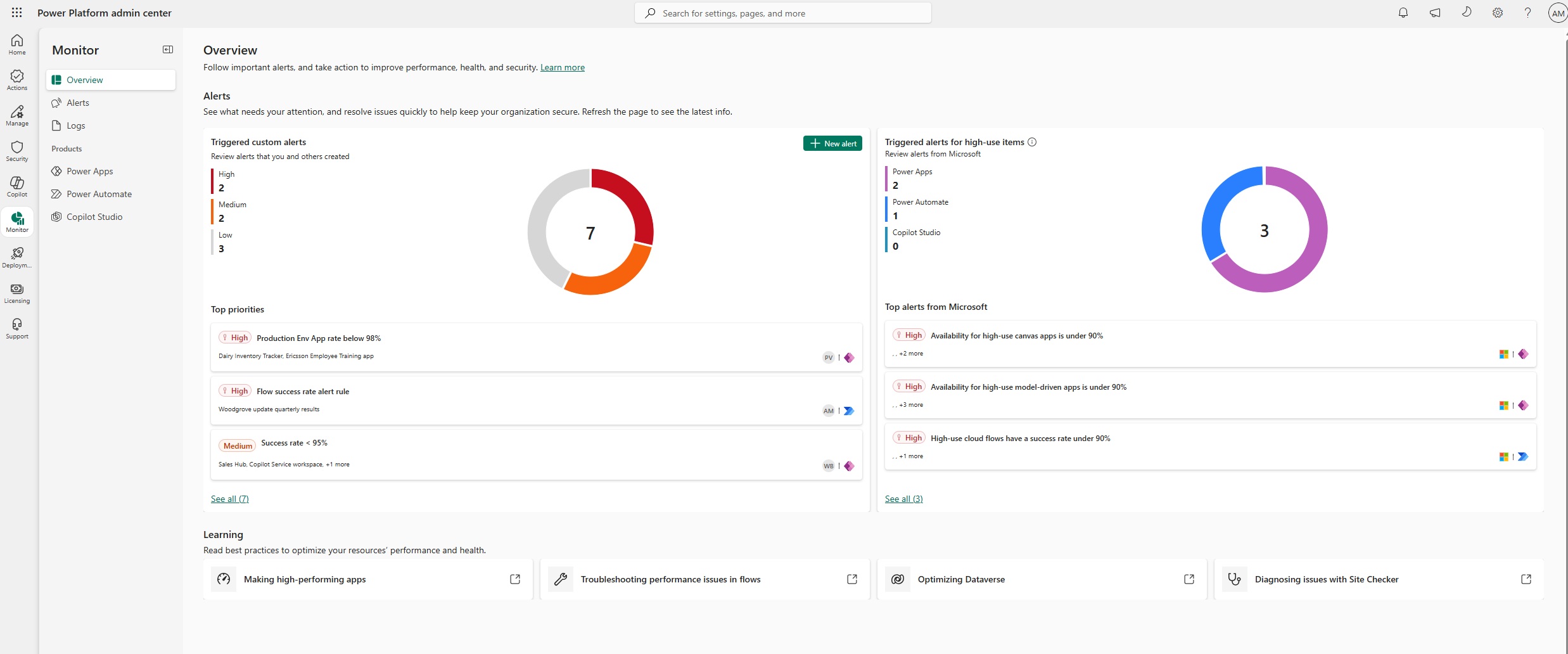
The predefined alerts represent perhaps the most impactful addition. These automatically monitor high-use applications and critical flows, triggering notifications when availability drops below 90% or success rates degrade unexpectedly. This baseline protection requires zero configuration—a game-changer for resource-constrained IT teams.
The redesigned Monitor overview page reflects user feedback and practical experience. By centering the interface around alert conditions and resource health, administrators can now achieve situational awareness at a glance rather than navigating through multiple screens. This ergonomic improvement might seem minor, but in crisis situations, seconds matter.
Expanding alert capabilities to code apps represents another strategic addition. As organizations increasingly leverage code-first development approaches within Power Platform, comprehensive monitoring coverage becomes essential. Similarly, the public preview of work queue alerts for Power Automate demonstrates Microsoft's responsiveness to real-world deployment patterns where queue management directly impacts business operations.
What This Means for Enterprise Adoption
From my perspective, this GA release signals Microsoft's confidence in the reliability and maturity of their monitoring infrastructure. Organizations can now confidently implement Monitor alerts as a core component of their governance strategy without concern about future API changes or stability issues.
The predefined alerts feature particularly matters for mid-market companies struggling to balance governance with agility. These organizations often lack dedicated monitoring expertise, yet they manage increasingly complex Power Platform ecosystems. Microsoft's intelligent defaults provide a foundation that experienced teams can extend with custom rules.
However, organizations should recognize that general availability doesn't mean "set and forget." Effective alerting requires tuning thresholds to business context, establishing clear escalation procedures, and integrating alerts into existing incident response workflows.
Looking Forward
As Power Platform continues evolving, comprehensive monitoring becomes increasingly essential. This GA release removes deployment barriers and positions monitoring as a standard practice rather than an advanced capability. The inclusion of work queues in public preview suggests Microsoft's roadmap extends toward holistic platform observability.
Organizations implementing Power Platform at scale should prioritize enabling and configuring Monitor alerts as part of their governance foundation. The investment in understanding alert configuration will pay dividends through reduced downtime and improved user satisfaction.
Source: Power Platform Monitor Alerts Are Now Generally Available